Play Sufficiency Assessment Executive Summary
Conwy County Borough Council Play Sufficiency Assessment Executive Summary 2025-2028.
1. Local Authority Summary Statement
Play is a fundamental part of a healthy childhood and it is every child’s right to be able to play.
We recognise and adopt the definition of play in Wales’ National Play Policy (2002) as; “children’s behaviour which is freely chosen, personally directed and intrinsically motivated”. That is, it is what children do when they follow their own ideas for their own reasons.
We believe that ALL children have a right to sufficient time and space for playing as enshrined within article 31 of the United Nations Convention on the Rights of the Child (UNCRC) and further defined within General Comment 17.
We believe that in order to secure sufficient opportunities for playing we need to work in partnership with organisations and communities to cultivate the conditions of TIME, SPACE and PERMISSION for play.
We believe that, to support children’s right to play is to provide a whole range of benefits to children and the communities in which they live and conversely, to deny that right can have serious implications for children and the wider community.
We recognise the link between resilient communities and resilient individuals and foresee a future in Conwy where ALL children and young people can be visible participants within the life of their communities through playing.
We recognise that play is a golden thread which should be weaved through all policy and practice in Conwy and urge all stakeholders, organisations and communities to understand the role they have in securing sufficient opportunities for playing within children’s communities as part of the statutory duty. This also includes understanding that providing quality play opportunities contribute to many of the aims around tackling child poverty. Finally, we are committed to securing sufficient opportunities for playing by;
- Supporting organisations to better understand play and how best to support it.
- Identifying barriers to children’s freely chosen play in their communities and working together to find ways to remove or reduce them.
- Supporting the development of new play provision and opportunities.
- Supporting the increased quality and quantity of existing play provision and opportunities.
- Co-ordinating the development of projects, partnerships and work programmes in order to secure sufficient opportunities for playing as required under the Children and Families (Wales) Measure and to co-ordinate and produce Conwy’s Play Sufficiency Assessment and Action Plan.
2. Methodology
Conwy Play Development Team (referred to throughout as PDT) sits within Leisure Development and is part of the wider Conwy County Borough Council Leisure Services. PDT lead on all aspects of play development and playwork across Conwy County Borough Council.
The Senior Play Officer leads and advises on all strategic development work and also develops and delivers play sufficiency workshops across Conwy. A number of departments and stakeholders have been engaged in the process through a range of methods described below.
In 2015, Conwy adopted the Conwy Play Policy (see above). This document established a clear policy statement underpinned by the National Play Policy (2002) and Article 31 of the United Nations Convention on the Rights of the Child (UNCRC).
During this assessment a new approach was adopted to ensure that stakeholders at a decision making level could engage with the assessment and action plan. Play Sufficiency Workshops we’re hosted and individual meet ups or conversations we’re planned beyond these workshops ensuring that stakeholders could not only develop an understanding of the legislation surrounding play sufficiency and the importance of play and the day to day lives of children in Conwy but consider how their individual roles may impact opportunities to play.
Play Sufficiency Network Building – Understanding Sufficiency was delivered on the 8th January 2025 and was supported by Play Wales. There was a large attendance from Heads of Service within the local authority, local councillors, strategic officers and some 3rd sector partners.
There was engagement from the Lead for the Council, Education, Social Care, Leisure, Economy and Culture, Community Focussed Schools, Planning, Open Spaces, Economic Development, Family Support Teams Leads, Housing, People and Performance, Family Information Service, Childcare officers and many elected members who also represented their Town and Community Councils within this workshop.
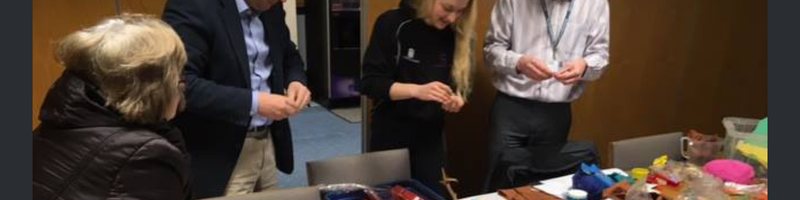
The second Workshop Play Sufficiency Network Building – Planning for Play was delivered on the 22nd January and was well attended by partners many of the same partners attended the second session with additional portfolio holders, officers and leads from across key areas including parks, neighbourhood planning and youth services.
The last large workshop Play Sufficiency – Steering Group- Accountability was delivered on the 20th May and it was agreed at this meeting that the group would meet bi-annually moving forward with the Senior Play Officer hosting ‘sub-group meetings’ around the 4 themes adhoc to provide guidance, support and focus around identified actions. The bi-annual meetings would then provide a platform for officers and leads to feedback on success and challenges to ensure a collaborative and joined up approach.
Many actions within the Play Sufficiency Action Plan were considered at raised at this meeting.
The key partners contributing to the assessment are listed here: Play Sufficiency Key partners
The Senior Play Officer discussed areas identified through workshops with individual officers. Depending on the area within the assessment and the personnel the Senior Officer would either send the whole theme or areas across themes to individuals for completion.
Many officers were able to identify areas for improvement and some officers linked support and ideas. The Senior officer was also able to highlight areas of synergy for officers and link work patterns together. This has enabled Conwy to have a holistic approach to the Action Plan for example, Workforce Development is needed in many key areas, so a whole council approach for this has been included as an action.
Although encouraged to attend not many external partners were in attendance at the Play sufficiency Workshops. The Senior Officer had many 1-2-1 discussions and meetings with external partners to ensure this was captured in the assessment.
This has been identified as an area of work needed within the action plan.
The Play Sufficiency Action Plan will go through the political process annually in the autumn; where a report on each action from the named ‘lead officers’ shall be made.
Approved by Overview and Scrutiny Committee-Economy and Place – October 2025
Approved by Cabinet – October 2025
3. How engagement with children and families has informed the Play Sufficiency Assessment
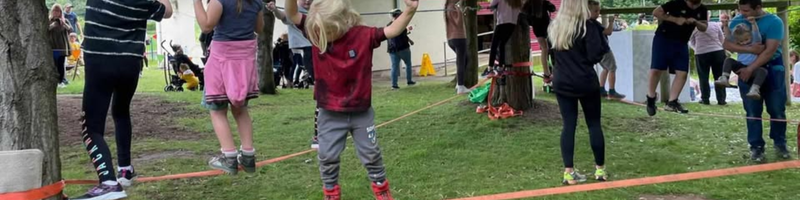
Engagement with children and families in Conwy has played a significant role in forming the assessment and action plan. The assessment process involves gatheringinsights from various stakeholders including children of various ages to identify strengths and shortcomings in play opportunities, specific to time, space and permission afforded to children across communities.
The Conwy Big Play Survey has been used to gather information from children in school years 5 & 8. The survey helps us to collate information about play experiences and needs.
The results from this survey shapes future delivery of services to ensure they meet the needs of children and also gives insights of the current situation in Conwy to share with officers during stakeholder events.
The data obtained from the survey and the resulting analysis was shared with stakeholders during the Play Sufficiency Steering Group to set the scene of play and provide heads of service and leads a narrative to begin planning for. Many key actions in the Play sufficiency Action Plan came as a direct impact on the experiences children had shared.
After PDT had received the analysis of the Conwy Big Play survey we were able to compare with previous cycles, the team began developing Focus Group resources.
The Children’s Focus Groups provide valuable insights into their play experiences and preferences. It allows us an understanding into the key variables that ensure positive and adequate play experiences.
Initially 10 groups were formed, one primary school setting and one secondary school setting in each of the 5 sub-areas of Conwy.
Each group engaged in 4 x 45min-60min workshops as follows:
- Getting to know you and thinking about play.
- Thinking about the time you have for play and when you play. (Time)
- Thinking about places you play in and places you’d like to play in. (Space)
- Thinking about different people in your community and how they may change your play. (Permission)
All focus Groups have been recorded and Conwy Play Team have used prepared worksheets to support the children in recording their experiences.
During the Play Sufficiency Workshops, it was identified that the information children were telling us was key and that each ‘golden nugget’ of information was forming a really thought-provoking conversation at a strategic level.
As identified in the action plan, there is now appetite for PDT to continue leading this work so that each community has a child centred community ‘play action plan’. The thoughts and experiences of children in Conwy have essentially built the initiatives within Conwy’s Play Sufficiency Action Plan.
The PDT continuously engage with local residents, councillors, parents and professionals to gather feedback on initiatives. Many of the current initiatives delivered require public consultation, for example, ‘No Ball Games’ signs removal, improvements for play spaces and community play provision.
Across Conwy, many other departments develop programs based on family consultation, such as the family centre services, disability services, parks and facilities and workforce development plans.
It has been identified that the methods for consulting with our younger residents does need attention and as a result features within the Play Sufficiency Action Plan. PDT will work with key stakeholders to support and develop methodologies and practices for consulting with children.
Population (Matters A, B, E):
- Action 1: Conwy Big Play Survey indicated that on almost every metric disabled children and children from ethnic minority groups have poorer opportunities and experiences of play. Action 1 within the Play Sufficiency Action Plan under Population provides a plethora of initiatives that will support PDT and partners to develop a wider understanding of the barriers that are faced by individuals. Furthermore these findings will then set out key actions and initiatives to address barriers.
- Action 2: Through consultation with professionals, children and families, it was identified that there are varying approaches to play practice in different settings. Children play incidentally throughout the day, the objective of a Policy review and workforce development program is to ensure that the voices and experiences of children, alongside knowledge of playwork and legislative duties provide a more playful and play tolerant Conwy.
- Action 3: Based on survey and focus groups, it is clear that one of the main indicators of satisfaction is permission to play and permission for play. All initiatives under Action 3 set out to build understanding of the importance of play and strengthen advocacy for play. Conwy will lead this campaign, and collectively we can achieve a ‘tipping point’ where improved satisfaction levels are present. Fostering acceptance of play needs and play behaviours across society. Building a playful culture which supports experiences for play in Conwy. Ensuring rich and playful communities and opportunities are the daily ’norm’ for all children.
Places where children play (Matters C, F, I)
- Action 1: Children have discussed the importance of links to play spaces and the importance of informal spaces for play. Older children identified that informal play spaces host some of the most valuable play experiences for them. With this in mind, it has been highlighted that understanding the use of these spaces for children’s play is important, not only to improve access, but to safeguard their use for play by all ages.
- Action 2: The Big Play Survey highlighted that children from areas of deprivation and children with a disability face greater barriers when accessing spaces to play. These cohorts also have a limited variety of opportunities to play. The All Wales Play Opportunities Grant will be used to address some of these barriers and build upon existing access and a variety of resources for play.
- Action 3: Experiences of school playtimes featured heavily in consultation as a time when children could play with the added value of friends without parent or carer facilitation. There was a variety of experiences regarding school play times, ranging from very positive to very poor with some children experiencing the removal of playtime due to challenges with behaviour or incompletion of work. The Active Play Time challenge will support education settings to develop a rich play environment. With playwork practices strengthening participation and fostering an understanding of the importance of school playtimes. Training and policy development will encourage a playwork approach to play times.
- Action 4: During adult consultation it was highlighted that although there is a mechanism for the removal of ‘No balls Games’ signs this mechanism was not widely known and that work is needed to ensure community engagement.
- Action 5: As with previous assessments, parental permission was highlighted as one of the largest influencing variables to play satisfaction. Parents discussed not always knowing about spaces for play in their community and across Conwy. This means the variety of play opportunities can be limited and the increased use of paid for experiences is becoming the social ‘norm’ creating a barrier for many families. The objective of the regional website is that families can find a variety of play opportunities, with examples of play value included as well as accessibility information and advocacy for play.
Supervised Provision (Matter D, G)
- Action 1: Many supervised settings featured in the children’s experiences and children identified these areas as key spaces they may use for play. Through professional consultation and workforce development, PDT are aware of the variety and range in experiences children have across settings. PDT will explore a quality assurance mechanism for all CCBC delivered play provision, ensuring a rich, challenging, safe and inclusive environment for play. PDT will work alongside EYDCP to ensure that all settings are supported in professional development and the creation of rich play spaces for children.
- Action 2: The need for advocacy and support for families to understand the impact play opportunities have on our children and wider community is vital as the decline in play satisfaction continues. Action 2 sets out a plethora of opportunities to engage with adults to advocate for play and support adults to provide play opportunities for children.
- Action 3: Support for professionals to understand the positive impact play opportunities have on our children and their wider communities is vital as the decline in play satisfaction continues. Action 3 sets out a range of opportunities to engage professionals to advocate for play. Both accredited and introductory opportunities will be included.
Policy, engagement, advocacy and information. (Matter G, G, H, I)
- Action 1: When the details and findings of Conwy Big Play survey were shared with professionals, the group had an emotive response. Discussions quickly lead to actions needed and the development of a campaign supporting children’s voices and opinions began. Action 1 sets out some starter initiatives to begin developing a long term campaign for the importance of play across Conwy.
- Action 2: Children in Conwy have told us that when they have time, space and permission to play in local streets close to their homes they feel welcomed, included and considered by society. Some barriers to play are removed such as travel to play, time for play, money for play and permission (many children rely on transport from parents). This was highlighted as particularly important for children with no garden space. There was some indication that children with no garden space are reporting negative impacts on their mental health and well-being. This initiative is extremely important for these children.
- Action 3: It is important that children’s views are considered strategically in Conwy, this will ensure that children’s views are considered at the earliest stages of project development.
Play Sufficiency work has momentum in Conwy currently, this momentum is born from the views and considerations of children.
It is important to continue to listen to children and give children from all areas of Conwy the opportunity to share their experiences so that we can strive to improve experiences for all. Children from coastal communities have very different experiences to children from rural communities and older children are having significantly different experiences to younger children.
These examples of differences highlight the importance of a community by community approach. Play development and securing play satisfaction will have different outcomes based on the individual community needs and the play needs of children present in those communities.
4. Maximising Resources
CCBC faces significant pressures driven by an increasing demand for services. Despite these challenges, the council is committed to protecting vital services. Play is the golden thread of childhood, providing children with developmental opportunities with clear links to resilience of individuals and communities.
There are allocations for statutory services such as Social Care and Education who are key partners in securing sufficient play opportunities for all children. As a result, many initiatives for play development within the action plan provide opportunities for these teams lead by PDT.
The local authority allocates community funding and national funding to community programs and projects that promote play opportunities. Some of these initiatives include play provision, development of community assets such as parks, playgrounds, leisure centres, libraries and Family Support Centres. Through UK Levelling Up Fund many playgrounds received essential work and development to ensure their sustainability for children and families. Capital investment in assets such as playgrounds has been extremely difficult in recent years without grant programs such as UK Levelling Up and All Wales Play Opportunities Grant (AWPOG).
The Council also collaborates with partners such as community groups and organisations which can help leverage additional funding and resources to support play initiatives. An example of this is the Regional Out and About website which provides advocacy for play, support for families and information to support access to play spaces for children across North Wales.

There are a variety of funding resources used to support the PDT that come direct from Welsh Government, these include the Holiday Playworks Grant, and this is used to provide play opportunities across all school holidays and used to ‘plug’ identified gaps in provision. Holiday programs are developed to be flexible and react to community needs, some examples include delivering family play events in informal play spaces such as Forest Play and Beach Play.
This supports families to access other free spaces for play and advocates for a varied use of spaces for play. Another example is in response to criminal activity and anti-social behaviour, the play team were able to provide positive play opportunities for children in specific areas in collaboration with North Wales Police and Family Centre Support Teams across Conwy. A further example would be the partnership work with Conwy Connect that is supported by this grant which enables the play team to provide targeted play sessions for families of children with disabilities during the holidays.
Holiday Playworks resource has also been used to access accredited training opportunities for paid and volunteer playworkers, supporting the quality of play provision on offer for communities. Furthermore, the grant has been used to provide food and snacks at sessions for children in attendance and used to purchase equipment to support children with specific play needs.
Another grant that the Conwy PDT utilise is the Children and Communities Grant. The Families’ First element of this grant is used to fund early intervention and preventative work by the play team. It enables the delivery of term time community play sessions and funds elements of the development program regarding advocacy and intervention delivered in collaboration with the Family Centres in Conwy.
PDT have also been able to utilise other grants such as the Child Poverty grant to provide meals during play sessions for families, in particular during the school holidays. During recent years PDT have been afforded the opportunity to use grants such as the UK Levelling Up Fund to provide targeted provision for older children to support the development of their experiences. Improve feelings towards their local community and involve them in volunteer and personal development programs.
This resource enabled a successful pilot project which has now received further funding from CCG due to the positive impact recorded and the alignment and synergy of KPI’s. This provides an example of how Conwy are giving children a voice in the use of grants and delivery of projects. Conwy Play Team have also been involved in projects with the Community Focused Schools Team using a joined up approach to providing opportunities for children. Conwy Play Team participated in the delivery of the Summer Food and Fun Program in a rural school. The Play Team have developed an incredibly positive relationship with the community fostered through play provision, leading to an extremely well attended Food and Fun provision.
Conwy’s Senior Play Officer is also an accredited Playwork Trainer allowing the team to build service level agreements with other training providers. This not only ensures Conwy employees and volunteers get the best professional development but that any resources received go directly back into community play provision.
Another example of how resources are utilized in Conwy is the Active Travel Initiatives which have supported development of infrastructure plans and community engagement activities. This has resulted in the creation of safe and accessible routes for children and families around communities, which in turn, has led to increased opportunities for play during active travel and improved access to formal and informal play spaces.
Through workforce development and advocacy, PDT can influence other departments and projects. Ensuring they consider the impact on play opportunities there work and resources have. Through opportunistic advocacy this can lead to an increase in resources available to support children’s experiences.
Conwy are also very thankful for the All Wales Capital Play Grant which will be used to address some of the actions and strengthen work within the Play Sufficiency Action Plan. This grant will be used in response to needs highlighted during consultation and throughout the assessment.
Since the last assessment there have been subtle changes in policy and guidance from Welsh Government across policy areas. This has led to further opportunities and play satisfaction being considered in other areas of work and included in grant guidance. PDT feel this has had a positive impact on development programs and opportunities afforded to communities. Examples of this are, Active Transport Initiatives and Community Focussed Schools Program.

5. Monitoring
The lead officer for Play in Conwy is the Senior Play Officer who currently sits within Leisure services, Economy and Culture department. The Senior Play Officer is responsible for activities surrounding the Play Sufficiency Assessment and Action Plan and ensuring clear communication of roles and responsibilities on initiatives included within the Action Plan and associated works. However, collectively Conwy County Borough Council takes strategic lead and responsibility for Play Sufficiency. While specific departments and teams are responsible for progress on initiatives, play sufficiency is outlined in the governance framework in the following areas and ways.
Corporate Plan
The Council’s corporate plan focuses on five key goals including Well-Being which encompass play sufficiency and opportunities for play for all children and young people of Conwy.
Conwy’ Policy for Play
Strong links to play opportunities and well-being with reference to key legislation feature in ‘Conwy a Play Friendly County’.
Regional Partnership Board
Bringing together key partners to deliver policies and initiatives supporting play sufficiency. As referenced within the assessment Conwy’s Senior Play Officer has recently been recruited to the RPB sub group which builds stronger links for play sufficiency in regional planning and policy. During the winter, children’s consultation and resulting action plan will be presented to the board.
Regional Service Board
Conwy’s Senior Play Officer will review the assessments and action plans from North Wales Local Authorities and present cross-cutting themes and actions with the objective to develop a regional action plan for the service board to integrate within policy and work programs.
Governance
Ensuring the Executive Statement for the ‘State of Play in Conwy’ and the action plan is readily available on Conwy County Borough Council website will support the ambition for play sufficiency to form a golden thread in all policy and work programs across Conwy.
The Play Sufficiency Steering Group meet bi-annually to receive updates from the Senior Play Officer and individual officers provide action plan progress updates. Any synergy, success and challenges are highlighted. The Senior Play Officer meets individuals periodically to go through objectives set out, support progress and provide guidance.
Each autumn the Play Sufficiency Action Plan is taken through Scrutiny and Cabinet for approval.
The following reports are taken:
- The PSA Executive Summary for the corresponding cycle.
- The current PSA Action Plan
- Progress Report from the previous Action Plan
This gives officers an opportunity to highlight at a strategic level the successes of their service, discuss any challenges they face and receive support from leads.
After reviewing the cycles of the Play Sufficiency in Conwy, it is believed that this position is the strongest Play Sufficiency has ever held strategically.
This approach will generate the most cohesion and synergy working across all policy areas with a focus on the action plan and progress report.
However it is a new approach and will take steering, motivation and persistence to ensure all the cogs turn collectively and future sufficiency is secured for individual children and communities.
Furthermore, there are still key stakeholders yet to engage in Play Sufficiency, it is hoped that with this approach collectively, Conwy will achieve understanding, accountability and progression for its communities.

6. Conclusion
Conwy County Borough Council is making significant strides strategically to understanding the lived experience of its children and young people.
Conwy is committed to securing future opportunities for play and to safeguard the positive variables communities afford towards sufficient time, space and permission for play.
Developing the workforce’s collective understanding of Play Sufficiency and Advocacy for Play Sufficiency will support the identification of opportunities, resources and work programs thus ensuring a positive impact on the future state of play in Conwy.
Conwy PDT are progressing with research and consultation which will ensure children’s play experiences and play needs are considered during community development, planning and policy development. It is crucial that a community centred approach is implemented and that each community are afforded the opportunity to build and prepare localised and individual ‘Play Making Plans’.
Community based initiatives should be considered when plans are produced. PDT accept that an approach for one area of Conwy may not be suitable for another and to that end, creative, dynamic and needs based plans will be developed.
Conwy PDT are committed to the quality of play provision and play opportunities. Through workforce development, monitoring, consultation, quality assurance and training, PDT aim to support all professionals in Conwy to ensure all children have access to safe, inclusive and engaging play settings and opportunities.
Conwy County Borough Council have provided an innovative, creative and ambitious Action Plan and are developing mechanisms to implement it across all policy areas. The Action Plan requires strategic engagement and strategic leadership to ensure success.
Conwy County Borough Council welcome recent resources from Welsh Government and will strive to ensure that resources will support the implementation of the action plan. However, would welcome long term commitment from Welsh Government to ensure that we can create long lasting impacts that will benefit our communities and future generations.
7. Theme analysis
Population:
Matter A: The number of children in respect of each age range within its area
Matter B: The needs of children from different cultures and backgrounds within its area
Matter E: Whether there is a charge for play provision and where there is a charge
- 25% of children never play out
- 70% of children play out at least a few days a week
- 20% would like more time playing out
- Girls would like more time to play and are less likely to be allowed to play out
- Children living in coastal areas of Conwy would like more time to play
- 45% of children are taken to play by an adult
- The older children get in Conwy the less satisfied with their play opportunities they are
- Disabled children said they have less choices about where to play
- Children from ethnic minorities have less choice about where to play
Children living in the most deprived areas have less choice about where to play
- PDT annual Training plan
- Focus Group research under way
- PDT advocacy initiatives such as No balls Games removal ect
- 5 family centres, 1 in each sub area of Conwy. Full delivery program of topically family program which includes play.
- Open Access Community Play Provision
- PDT collaborative working with Social Housing Landlords
- Leisure Development delivery of program of Leisure activities in areas of low deprivation
- National Play Day
- Regional Play Spaces website
- Play Hub used to support access to beach play for families in particular partnership work with Conwy connect.
- Have a Go targeted older children provision delivered in communities having huge impacts of satisfaction and also advocacy for older children’s play
- Play Development, Youth Services, Family Services and Leisure Development mediate programs and map activities
- Internal Translation Service
- Large program of support delivered for children with additional learning needs
- Risk Management and play Guidance for Social Services Children Looked After Team
- Active Play Time Challenge Initiative
- 1-2-1 Playwork Support Holiday Initiative
- CCG resource used for Play initiatives
- Links established between play sufficiency and Inclusion Conwy Manager
- Further consultation needed with parents to understanding permission barriers to play.
- Older children living in rural areas report experiencing isolation regarding play opportunities due to lack of transport and transport links
- Older children also report lack in facilities they can or feel welcome to access for their play as they get older
- Private sector controlled transport
- Lack of understanding of play needs and barriers faced by individuals in Conwy evidenced through Big Play Survey
- Engagement in 1-2-1 Playworker Support Holiday Initiative
- PDT footprint on corporate website
- Need further links with 3rd sector organisations to ensure development of understanding of play needs and barriers faced
- Council building are not very playful and inviting to children
- No subsidised transport for children
- Utilise all research and research resources available in Conwy
- Parents survey to support understanding
- Professional play survey to understand needs of children across services.
- Focus Groups work to develop play making plans and understand barriers
- Play campaign across corporate channels.
- Development of PDT annual training program
- Play Hub being utilised for more advocacy events
- Utilise Have a Go provision to advocate and campaign for play on corporate channels
- Development of Play After School using School Grounds through Active Playtime Challenge
- PDT to work closely with Inclusion Conwy Manager to develop greater understanding of barriers
- Targeted Play Sessions delivered through collaboration to build understanding and report with PDT and families.
- Development of holistic Risk Management and Play Guidance for all departments
- Review of Conwy Play Policy
- All Wales Play Opportunities Grant to support access to play opportunities
- Opportunity to lead and advocate inclusion of children across council venues and buildings
- Inclusion maturity Audit
- Community Play Provision is grant funded annually.
- PDT programme Grant funded annually.
- Playing Out holiday program largely funded by Town or Community Councils.
Places where children play:
Matter C: The space where children can play, including open space, and any other space
Matter F: Traffic measures that are used to promote access to play
Matter I: The extent to which education and local development planning policies take into account the need to enhance play opportunities for children
- Most children can play or hang out in some or all the places they’d like to
- Disabled children said they have less choices about where to play
- Children from ethnic minorities have less choice about where to play
- Children living in the most deprived areas have less choice about where to play
- 45% of children are taken to play by an adult
- 20% of children aren’t allowed to play out on without an adult
- Informal Play spaces are very important such as (forest, beaches, leisure centres, youth clubs, paddling pools, skate parks ect)
- Most children can play or hang out in some or all of the places they’d like to.
- Disabled children, ethnic minorities and children living in the most deprived areas said they have less choice about where to play.
- Most children always or usually feel safe when they play out.
- Children in Conwy place great value on informal spaces including streets, woodland areas, paddling pools and open ground areas.
- The most common spaces Conwy children and teenagers reported playing in was their own or friends’ houses and gardens.
- Older children and teenagers are less likely than younger children to hang out in designated play areas.
- Older children and teenagers identified an average of 3.8 places that they go to play or hang out compared with 4.9 identified by younger children. However this is much lower than pre-covid across ages where children of Conwy identified a range of 5.9-7.3 places on average to play.
- Children and teenagers living in rural areas are most able to play in the spaces they want to.
- Only 78% of ethnic minority children and teenagers said that the places they play in are good where they can do all or some of the things they want to.
- 10% of all children and teenagers said that play spaces weren’t good or were “rubbish”
Children’s direct quotes:
What’s good?
- You can do everything you want without people telling you otherwise. And it's never busy so it's nice and quiet and calm.
- It has a lot of space because it's a field. I live on a farm.
- It’s big and I can walk, bike, scooter or run around the block by myself.
- Good for hide and seek and going out with your friends most the time.
- KFC tastes good :) and Eirias Park is near.
- There's a football pitch and a park with a forest and a field.
- I have an amazing community. I can walk to the beach.
- The park is clean.
- Lots of space to ride my bike and great play equipment.
- Enough space to play and have food outside with my friends and enough to make it a den.
- I live in a quiet area with few cars and not lots of teenagers so there's not much trouble playing or doing chalk on roads and pavements and I live near a local forest so I go on walks or take my dog there.
- There are some hiding spots so I can talk privately without my parents with my friends.
- If you go down the road there are two parks and in the village everyone knows each other so it’s good.
What’s not good?
- When it rains we have nowhere to hang out because everywhere we are able to go is locked. We need more buildings to hang out at.
- No places to shop, no places to hang out at, busy roads, no parks.
- It can get very busy and there are people who look like they don't have a licence to drive.
- I think what could be better is more places to play and hang out and more people to come out and enjoy.
- The football pitch is made of concrete so when I fall over it hurts.
- There is a lot of glass smashed around our area and teenagers always shouting.
- They pump a lot of sewage into the stream and I live near the sewage plant.
- In the park it is dirty and babyish.
- There is a lot of dog poo and mud. There isn't a seesaw. There's a lot of midges.
- There is a sign that says no ball games
- I don't have a garden and that makes me sad.
- Nobody comes out. There's nothing to do when we are out. Somewhere to go when we are out because we get wet when it rains and windy.
- There aren't many places indoor apart from the library and most places are usually wet and muddy or even flooded.
- One of my neighbour’s dogs gets out of the house and she tries to attack my friend’s cat and then we can't play outside.
- Mapping of provision held and accessible to all officers. Mapping tools used during focus groups with children to explore communities.
- Regional Go and Play website
- Play Value assessments completed by parks
- PDT annual Training Program
- Collaborative Consultation
- PDT delivery of play events in variety of informal play spaces
- PDT consulted and play included within Local Development Plan
- Access considered across all assets including play areas.
- No ball games signs removal campaign
- Much progress made to improve accessibility to play spaces by parks team (7 sites in 24/25 improved)
- 20MPH Zones
- Active Travel Route Planning and development of linking routes
- Kerb crafts and cycle training delivery
- Active Play Time Challenge Initiative
- No annual Capital funding available to maintain and develop formal play spaces.
- LDP & RLDP cannot make up for existing shortfalls
- No direct links to Play Value in LDP
- Neighbourhood spaces not assessed for play value
- No play priority or encouraging play signing in Conwy
- No mechanism for arranging temporary road closures for play
- Children reporting loss of play time due to behaviour or not completing work in schools
- Lack of indoor spaces for play in particular evenings for older children
- All Wales Play Opportunities Grant
- UK Levelling Up Fund
- Use of Play Making Plans when developing spaces
- Community Play Audits undertaken as part of community research
- LDP & RLDP will provide recreational space for new housing developments and protect existing, subject to criteria.
- Play value assessment and play making plans could be used to seek S106 contributions
- PDT and Social Housing Landlords work closely and collaboratively when developing new community streets or developing communities streets.
- PDT to use PLDP to progress play based projects
- New curriculum for schools
- Encourage more education settings to embark on Active Play Time Challenge and move onto Silver Award
- Community Focused Schools Project to be implemented in more education settings including primary schools
- Potential to agree on a ‘local’ decision that based on size of school and amount of resource is made available to improve play opportunities through Sustainable Communities for Learning Programme.
- RBA training and implementation across settings endorsed by Conwy Health and Safety Department.
- Use of Indoor Spaces for delivery of Have A Go program
- Introduction of playful features across Conwy County Borough Council offices and sites where children maybe present
- Play Provision Initiative for children in temporary accommodation
- No annual Capital funding available to maintain and develop formal play spaces.
- Attitude towards play needs of children
- Access to spaces for all children
- No subsidised Transport for children
Supervised provision:
Matter D: Supervised play provision
Matter G: Playwork training and workforce development
- 20% would like more time playing out
- Children living in coastal areas of Conwy would like more time to play
- 45% of children are taken to play by an adult
- The older children get in Conwy the less satisfied with their play opportunities they are
- Varied Experiences of children across variety of play spaces
- School play grounds are important
- Conwy have officer responsible for Play Sufficiency with good links across delivery departments
- Regional website for open access play provision opportunities linked to play spaces
- PDT annual Training Program
- PDT delivery of accredited training
- Have A Go targeted provision for older children’s play
- Open Access Play provision delivered during term time linked to Conwy Family Centres
- Open Access Holiday Provision delivered every holiday
- Targeted provision for specific groups who may have unique barriers. Targeted Provision delivered in partnership with third sector partners
- National Play Day Celebration
- Inclusion of Family Events in informal spaces in play provision program
- Active Playtime Challenge and workforce development program
- PDT officers upskilled and able to deliver accredited and non -accredited training
- All play provision delivered by Conwy County Borough Council operated in accordance with NMS
- All Playworker Job Descriptions reviewed to include all relevant accredited training
- PDT, Youth Service, Family Centres, Leisure development map all activities to ensure community reach and engagement opportunities
- Family Information Services are well networked and used in Conwy
- Play provision reliant on grant funding
- Loss of Playful Parents Provision originally funded through child development grant.
- PDT need a larger third sector partner network to understand and provide play opportunities for certain cohorts of children more effectively
- All Wales Play Opportunities Grant
- Upskill PDT officers to support implementation of new NMS
- PST explore opportunities to mentor settings through quality assurance framework
- Review of Training needs for Playwork Force and Playwork workforce
- Use of indoor spaces to deliver play opportunities during the winter months
- Development of annual training plan
- Development of Parent Workshops
- Play campaign through corporate channels
- Review and development of volunteers for play and reward scheme for members
- CSA could look at assessing playwork in 2027 with PDT support
- Extend Active Play Time Award across childcare settings – could be done with quality assurance mark mechanism
- Drop in sports sessions ‘jumpers for goal posts’
- Development of warm spaces initiative with PDT to ensure children’s play needs are catered for in these spaces
- Annual funding through grant streams for community play provision
- No governing body for staff, open access provision unable to register with CIW due to open access nature of provision.
Policy synergy, engagement, advocacy and information:
Matter F: Measures used to promote access to play, including the provision of information, publicity and events
Matter G: Training opportunities for the play workforce
Matter H: The level of community engagement and participation
Matter I: The extent to which other policies of a local authority take into account the need to enhance play opportunities for children
- 25% of children never play out
- 70% of children play out at least a few days a week
- 20% would like more time playing out
- Girls would like more time to play and are less likely to be allowed to play out
- Children living in coastal areas of Conwy would like more time to play
- 45% of children are taken to play by an adult
- The older children get in Conwy the less satisfied with their play opportunities they are
- Most children can play or hang out in some or all the places they’d like to
- Disabled children said they have less choices about where to play
- Children from ethnic minorities have less choice about where to play
- Children living in the most deprived areas have less choice about where to play
- 45% of children are taken to play by an adult
- 20% of children aren’t allowed to play out on without an adult
- Use of upshot to collate and capture monitoring for community provision
- PDT social media pages are well used and active
- PDT have good relationships with local press
- Workshops and Advocacy events included in PDT annual Training Plan
- Varied strategic engagement within the Play Sufficiency Assessment
- PDT consulted on new developments
- Consultation and Monitoring required for all grants work so PDT consistently review delivered provision through these mechanisms
- Conwy’s Senior Play Officer linked to Local Public Service Board and Regional Partnership Board
Play training features on introductory training for many roles within Conwy County Borough Council across Social Care and Leisure
- Much work needed on Conwy website to ensure Play Development Work and Play Opportunities are easily accessible
- Some departments not yet engaged in Play Sufficiency Assessment or Action Plan
- No mechanism for delivery of Street Play or closure of streets for play
- Ensure that local press are given much opportunity to provide coverage for positive news stories regarding play and play habits
- Develop advocacy workshops for parents and careers within PDT Training Program
- Play Sufficiency workshops to be included in Training plan to establish new stakeholders in Play Sufficiency Steering Group
- Focus Group Research and Consultation will for play making plans
- Importance of Play Sufficiency to be strengthened within Corporate Well-Being Plan.
- Review guidance and policies held by Conwy in relation to childhood ACES and Play
- Capacity for PDT to deliver on such a large workforce development plan effectively
- New mechanism for governance of the Play Sufficiency Action Plan and Progress on Action Plan